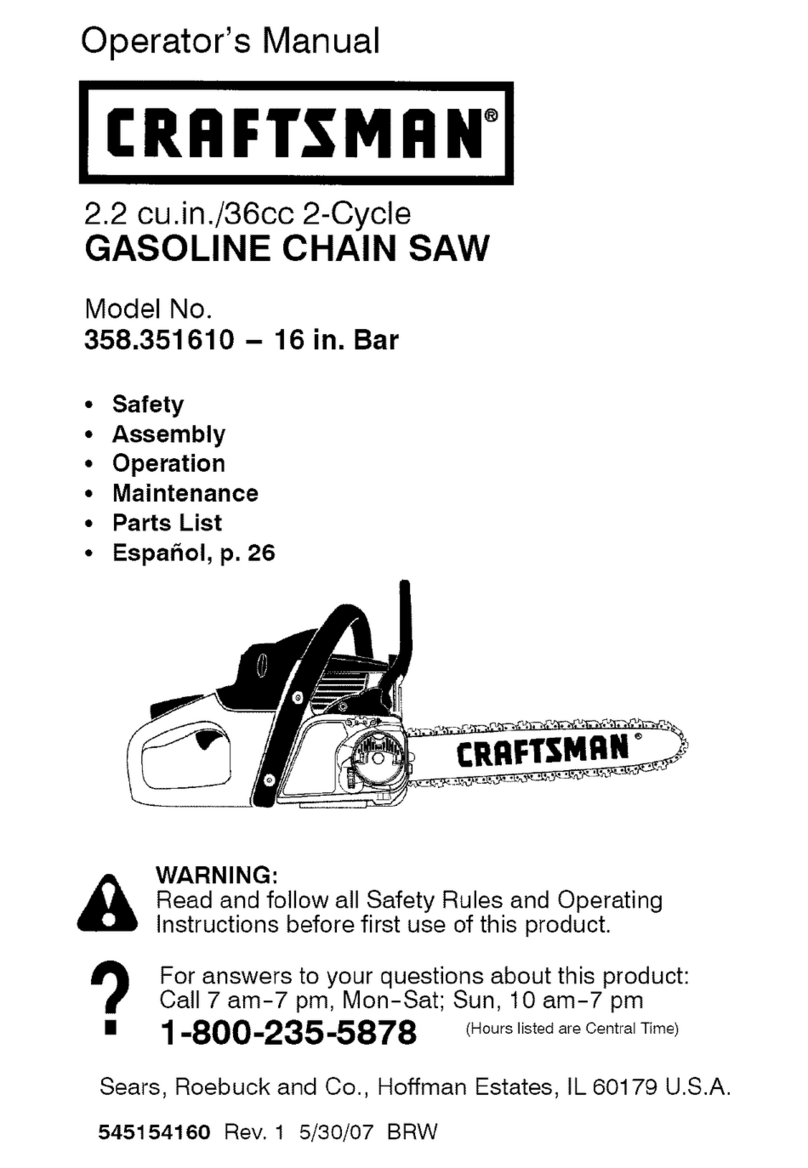
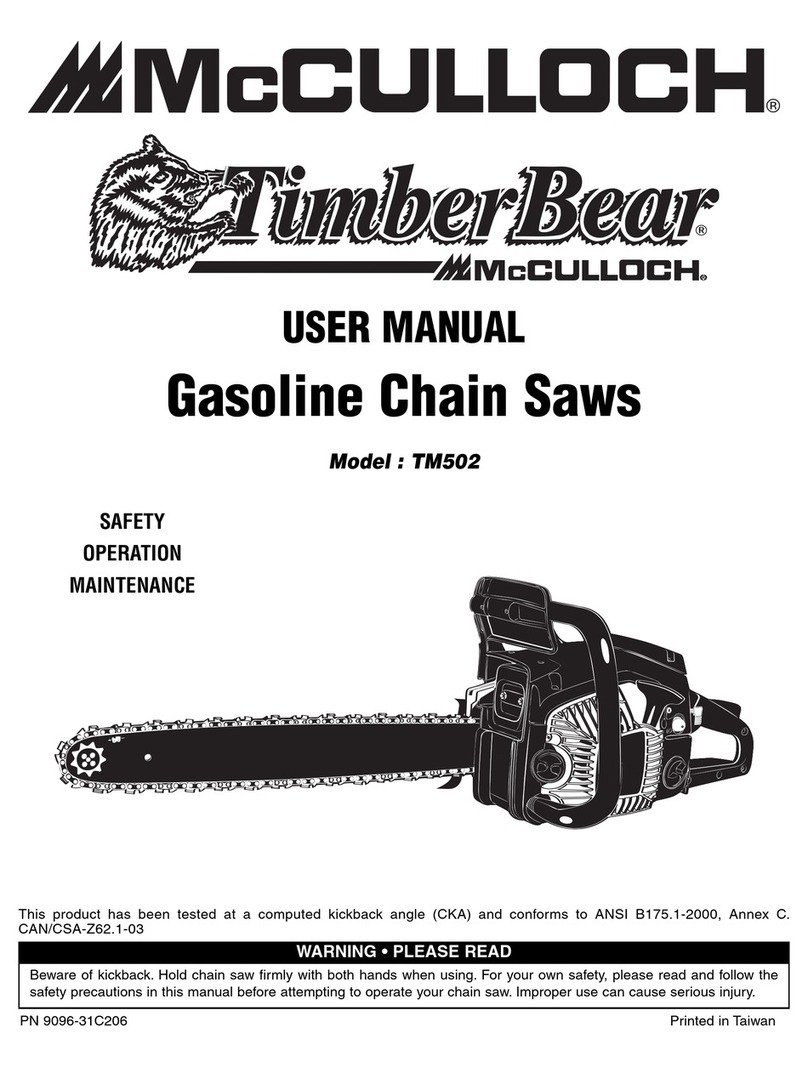
Zenoah GZ360 User manual

GZ360
GB Operator’s manual 2-42
DE Bedienungsanweisung 43-85
EL Οδηγίεςχρήσης 86-131
ES Manual de usuario 132-174
FR Manuel d’utilisation 175-217
IT Manuale dell’operatore 218-259
PT Manual do utilizador 260-302

Contents
Introduction..................................................................... 2
Safety..............................................................................4
Assembly...................................................................... 12
Operation...................................................................... 13
Maintenance................................................................. 25
Troubleshooting............................................................ 38
Transportation and storage...........................................39
Technical data.............................................................. 39
Accessories.................................................................. 41
EC Declaration of Conformity....................................... 42
Introduction
Product description
Zenoah GZ360 is a chainsaw model with a fuel engine.
Work is constantly in progress to improve the design
and technology - improvements that increase your
safety and efficiency. Visit your servicing dealer
regularly to see whether you can benefit from new
features that have been introduced.
Intended use
This product for forest service is designed for forest
work such as felling, limbing and cutting.
Note: National regulations can restrict the use of the
product.
Product overview GZ360
2
3
1
4
5
6
7
8
9
10
12 11
13
14
22
25
24
23
28 26
27
18
19
20
21
29
30 31
32
17
15
16
1. Chain brake and front hand guard
2. Felling direction mark
3. Air purge
4. Air filter cover
5. Choke control
6. Rear handle with right hand guard
7. Information and warning decal
8. Start/stop switch
9. Fuel tank
10. Adjuster screws carburetor
11. Starter handle
12. Starter housing
13. Chain oil tank
14. Rear handle cover
2321 - 004 - 27.09.2017

15. Spark plug cap
16. Muffler
17. Oil pump adjustment screw
18. Chain catcher
19. Throttle trigger lockout
20. Front handle
21. Saw chain
22. Bar tip sprocket
23. Guide bar
24. Spiked bumper
25. Chain tensioning screw
26. Product and serial number plate
27. Clutch cover
28. Throttle trigger
29. Guide bar cover
30. Combination spanner
31. Box spanner
32. Operator's manual
Symbols on the product
Careless or incorrect use of this product can
result in serious or fatal injury to the operator
or others.
Read the operator's manual carefully and
make sure you understand the instructions
before you use this product.
Always wear approved protective helmet,
approved hearing protection and protective
goggles or a visor.
This product is in accordance with
applicable EC Directives.
Noise emission to the environment
according to the EC Directive. The product's
emission is specified in the Technical data
chapter and on the label.
Both of the operator's hands must be used
to operate the chainsaw.
Never operate the chainsaw holding it with
one hand only.
Never let the guide bar tip come in contact
with any object.
Warning! Kickback may occur when the
nose or tip of the guide bar touches an
object, and cause a lightning fast reverse
reaction, kicking the guide bar up and
towards the operator. May cause serious
personal injury.
Chain brake, activated (right). Chain brake,
not activated (left).
Choke lever in "open position"
Choke lever in "closed position"
Air purge.
Refuelling.
Chain oil fill.
Adjustment of the oil pump.
yyyywwxxxxx
The rating plate showing
serial number. yyyy is the
production year, ww is the
production week.
Note: Other symbols/decals on the product refer to
certification requirements for certain markets.
321 - 004 - 27.09.2017 3

Safety
General safety instructions
WARNING: Read the warning instructions
that follow before you use the product.
• A chainsaw is a dangerous tool if used carelessly or
incorrectly and can cause serious injury or death. It
is very important that you read and understand the
contents of this operator’s manual.
• Under no circumstances may the design of the
product be modified without the permission of the
manufacturer. Do not use a product that appears to
have been modified by others and always use
original accessories. Non-authorized modifications
and/or accessories can result in serious personal
injury or the death of the operator or others.
• The inside of the muffler contain chemicals that may
be carcinogenic. Avoid contact with these elements
in the event of a damaged muffler.
• Long term inhalation of the engine’s exhaust fumes,
chain oil mist and dust from sawdust can represent a
health risk.
• This product produces an electromagnetic field
during operation. This field may under some
circumstances interfere with active or passive
medical implants. To reduce the risk of serious or
fatal injury, we recommend persons with medical
implants to consult their physician and the medical
implant manufacturer before operating this product.
• The information in this operator's manual is never a
substitute for professional skills and experience. If
you get into a situation where you feel unsafe, stop
and seek expert advice. Contact your servicing
dealer or an experienced chainsaw user. Do not
attempt any task that you feel unsure of!
Safety instructions for operation
WARNING: Read the warning instructions
that follow before you use the product.
• Before using a chainsaw you must understand the
effects of kickback and how to avoid them. See
instructions under the heading
What is kickback? on
page 17
.
• Never use a product that is faulty. Carry out the
safety checks, maintenance and service instructions
described in this manual. Some maintenance and
service measures must be carried out by trained and
qualified specialists. See instructions under
Maintenance on page 25
• Never use a product with visible damage to the
spark plug guard and ignition cable. A risk of
sparking arises, which can cause a fire.
• Never use the product if you are fatigued, while
under the influence of alcohol or drugs, medication
or anything that could affect your vision, alertness,
coordination or judgement.
• Do not use the product in bad weather such as
dense fog, heavy rain, strong wind, intense cold,
etcetera. Working in bad weather is tiring and often
brings added risks, such as icy ground,
unpredictable felling direction, etcetera.
• Faulty cutting equipment or the wrong combination
of guide bar and saw chain increases the risk of
kickback! Only use the guide bar and saw chain
combinations we recommend, and follow the filing
instructions. See instructions under
Accessories on
page 41
• Never start a chainsaw unless the bar, saw chain
and all covers are fitted correctly. See instructions
under the heading
Assembly on page 12
. Without a
bar and saw chain attached to the chainsaw the
clutch can come loose and cause serious injury.
• Do not drop start. This method is very dangerous
because you may lose control of the chainsaw.
• Never start the product indoors. Exhaust fumes can
be dangerous if inhaled.
• Observe your surroundings and make sure that there
is no risk of people or animals coming in contact with
or affect your control of the product.
4321 - 004 - 27.09.2017

• Never allow children to use or be in the vicinity of the
product. As the product is equipped with a spring-
loaded start/stop switch and can be started by low
speed and force on the starter handle, even small
children under some circumstances can produce the
force necessary to start the product. This can mean
a risk of serious personal injury. Therefore remove
the spark plug cap when the product is not under
close supervision.
• You must have a steady stance in order to have full
control over the chainsaw. Never work standing on a
ladder, in a tree or where you do not have a firm
ground to stand on.
• Lack of concentration can lead to kickback if the
kickback zone of the bar accidentally touches a
branch, nearby tree or some other object.
• Never use a chainsaw by holding it with one hand. A
chainsaw is not safely controlled with one hand.
• Always hold the chainsaw with both hands. The right
hand should be on the rear handle, and the left hand
on the front handle. All people, whether right or left
handed, should use this grip. Use a firm grip with
thumbs and fingers encircling the chainsaw handles.
This grip minimizes the risk of kickback and lets you
keep the chainsaw under control. Do not let go of the
handles!
• Never use the chainsaw above shoulder height and
try not to cut with the tip of the bar.
• Do not use a chainsaw in a situation where you
cannot call for help in case of an accident.
• Before moving your chainsaw, switch off the engine
and lock the saw chain using the chain brake. Carry
the chainsaw with the bar and chain pointing
backwards. Fit a guard to the bar before transporting
the chain saw or carrying it for any distance.
• When you put the chainsaw on the ground, lock the
saw chain using the chain brake and ensure you
have a constant view of the product. Switch the
engine off before leaving your chainsaw for any
length of time.
• Sometimes chips get stuck in the clutch cover
causing the saw chain to jam. Always stop the
engine before cleaning.
• Running an engine in a confined or badly ventilated
area can result in death due to asphyxiation or
carbon monoxide poisoning.
• It is not possible to cover every conceivable situation
you can face when using a chainsaw. Always
exercise care and use your common sense. Avoid all
situations which you consider to be beyond your
capability. If you still feel uncertain about operating
procedures after reading these instructions, you
should consult an expert before continuing. Do not
hesitate to contact your dealer or us if you have any
questions about the use of the chainsaw. We will
willingly be of service and provide you with advice as
well as help you to use your chainsaw both efficiently
and safely. Attend a training course in chainsaw
usage if possible. Your dealer, forestry school or
your library can provide information about which
training materials and courses are available.
Personal protective equipment
WARNING: Read the warning instructions
that follow before you use the product.
321 - 004 - 27.09.2017 5

• Most chainsaw accidents happen when the saw
chain touches the operator. You must use approved
personal protective equipment whenever you use the
machine. Personal protective equipment cannot
eliminate the risk of injury but it will reduce the
degree of injury if an accident does happen. Ask
your servicing dealer for help in choosing the right
equipment.
• Always wear personal protective equipment. Use
appropriate protections for your arms. Generally
clothes should be close-fitting without restricting your
freedom of movement. Regularly check the condition
of the personal protective equipment.
• Wear an approved protective helmet.
• Wear approved hearing protection. Long-term
exposure to noise can result in permanent hearing
impairment
• Always wear protective glasses or a face visor to
reduce the risk of injury from thrown objects. A chain
saw is capable of throwing objects, such as wood
chips, small pieces of wood, etc, at great force. This
can result in serious injury, especially to the eyes.
• Wear gloves with saw protection.
• Wear trousers with saw protection.
• Wear boots with saw protection, steel toe-cap and
non-slip sole.
• Always have a first aid kit nearby.
• Sparks can come from the muffler, the bar and chain
or other sources. Always have fire extinguishing
tools and a shovel available to help prevent forest
fires.
Safety devices on the product
WARNING: Read the warning instructions
that follow before you use the product.
In this section the product’s safety features and their
function are explained. For inspection and maintenance
see instructions under the heading
Examination,
maintenance and service of the product's safety
equipment on page 27
. See instructions under the
heading
Product overview GZ360 on page 2
to find
where these parts are located on your product.
The life span of the machine can be reduced and the
risk of accidents can increase if product maintenance is
not carried out correctly and if service and/or repairs are
not carried out professionally. If you need further
information please contact your nearest servicing dealer.
WARNING: Never use a product with
defective safety components. Safety
equipment must be inspected and
maintained. See instructions under the
heading
Examination, maintenance and
service of the product's safety equipment on
page 27
. If your machine does not pass all
the checks, take the chainsaw to a servicing
dealer for repair.
Chain brake and front hand guard
Your chainsaw is equipped with a chain brake that is
designed to stop the saw chain if you get a kickback.
The chain brake reduces the risk of accidents, but only
you can prevent them.
WARNING: Avoid situations where there is a
risk of kickback. Take care when using your
chainsaw and make sure the kickback zone
of the guide bar never touches any object.
6321 - 004 - 27.09.2017

The chain brake (A) can either be activated manually (by
your left hand) or automatically by the inertia release
mechanism.
The brake is engaged when the front hand guard (B) is
pushed forwards.
A
B
This movement activates a spring-loaded mechanism
that tightens the brake band (C) around the engine drive
system (D) (clutch drum).
CD
The front hand guard is not designed solely to activate
the chain brake. Another important feature is that it
reduces the risk of your left hand hitting the saw chain if
you lose grip of the front handle.
The chain brake must be engaged when the chainsaw is
started to prevent the saw chain from rotating.
Use the chain brake as a ”parking brake” when starting
and when moving over short distances, to reduce the
risk of moving chain accidentally hitting your leg or
anyone or anything close by.
To release the chain brake pull the front hand guard
backwards, towards the front handle.
Kickback can be very sudden and violent. Most
kickbacks are minor and do not always activate the
chain brake. If this happens you should hold the
chainsaw firmly and not let go.
The way the chain brake is activated, either manually or
automatically by the inertia release mechanism,
depends on the force of the kickback and the position of
the chainsaw in relation to the object that the kickback
zone of the guide bar strikes. If you get a violent
kickback while the kickback zone of the guide bar is
farthest away from you the chain brake is designed to be
activated by the inertia in the kickback direction.
If the kickback is less violent or the kickback zone of the
guide bar is closer to you the saw chain brake will be
activated manually by the movement of your left hand.
In the felling position the left hand is in a position that
makes manual activation of the chain brake impossible.
With this type of grip, that is when the left hand is placed
so that it cannot affect the movement of the front hand
321 - 004 - 27.09.2017 7

guard, the chain brake can only be activated by the
inertia action.
Common questions about kickback
•Will my hand always activate the chain brake during
a kickback?
No. It takes a certain force to move the hand guard
forward. If your hand only lightly touches the front
hand guard or slips over it, the force may not be
enough to trigger the chain brake. You should also
maintain a firm grip of the chainsaw handles while
working. If you do and experience a kickback, your
hand may never leave the front handle and will not
activate the chain brake, or the chain brake will only
activate after the chainsaw has swung around a
considerable distance. In such instances, the chain
brake might not have enough time to stop the saw
chain before it touches you. There are also certain
positions in which your hand cannot reach the front
hand guard to activate the chain brake; for example,
when the saw chain is held in felling position.
•Will my inertia activated chain brake always activate
during kickback in the event of a kickback?
No. First, your brake must be in working order.
Testing the brake is simple, see instructions under
the heading
Examination, maintenance and service
of the product's safety equipment on page 27
. We
recommend you do this before you begin each work
session. Second, the kickback must be strong
enough to activate the chain brake. If the chain
brake is too sensitive it would activate all the time,
which would be a nuisance.
•Will my chain brake always protect me from injury in
the event of a kickback?
No. First, the chain brake must be in working order
to provide the intended protection. Second, it must
be activated during the kickback as described above
to stop the saw chain. Third, the chain brake may be
activated but if the guide bar is too close to you the
brake might not have enough time to slow down and
stop the saw chain before the chainsaw hits you.
WARNING: Only you and proper working
technique can eliminate kickback and its
dangers.
Throttle trigger lockout
The throttle trigger lockout is designed to prevent
accidental operation of the throttle trigger. When you
press the throttle trigger lockout down (A) (in example
when you grasp the handle) it releases the throttle
trigger (B). When you let go of the handle, the throttle
trigger and the throttle trigger lockout both return to their
default positions. This design locks the throttle trigger at
idle setting.
A
B
Chain catcher
The chain catcher is designed to catch the chain if it
snaps or jumps off. This should not happen if the chain
is properly tensioned (see instructions under the
heading
Assembly on page 12
) and if the bar and chain
are properly serviced and maintained (see instructions
under the heading
Operation on page 13
).
Right hand guard
Apart from protecting your hand if the chain jumps or
snaps, the right hand guard stops branches and twigs
from interfering with your grip on the rear handle.
Vibration damping system
Your product is equipped with a vibration damping
system that is designed to minimize vibration and make
operation easier. The product′s vibration damping
system reduces the transfer of vibration between the
engine unit/cutting equipment and the product′s handle
unit. The body of the chainsaw, including the cutting
8321 - 004 - 27.09.2017

equipment, is insulated from the handles by vibration
damping units.
Cutting hardwoods (most broadleaf trees) creates more
vibration than cutting softwoods (most conifers). Cutting
with cutting equipment that is blunt or faulty (wrong type
or badly sharpened) will increase the vibration level.
WARNING: Overexposure to vibration can
lead to circulatory damage or nerve damage
in people who have impaired circulation.
Contact your doctor if you experience
symptoms of overexposure to vibration.
Such symptoms include numbness, loss of
feeling, tingling, pricking, pain, loss of
strength, changes in skin colour or condition.
These symptoms normally appear in the
fingers, hands or wrists. These symptoms
may be increased in cold temperatures.
Start/stop switch
Use the start/stop switch to switch off the engine.
Muffler
The muffler is designed to keep noise levels to a
minimum and to direct exhaust fumes away from the
user.
WARNING: The exhaust fumes from the
engine are hot and may contain sparks
which can start a fire. Never start the
machine indoors or near combustible
material!
In areas with a hot, dry climate there is a high risk of
fires. These areas are sometimes subject to government
rules requiring among other things the muffler must be
equipped with an approved type of spark arrestor mesh.
WARNING: The muffler gets very hot during
and after use. This also applies during idling.
Be aware of the fire hazard, especially when
working near flammable substances and/or
vapours.
WARNING: Never use a saw without a
muffler, or with a damaged muffler. A
damaged muffler may substantially increase
the noise level and the fire hazard. Keep fire
fighting equipment handy. If a spark arrestor
screen is required in your area, never use
the saw without or with a broken spark
arrestor screen.
Fuel safety
WARNING: Read the warning instructions
that follow before you use the product.
• Make sure there is plenty of ventilation when
refuelling or mixing fuel (petrol and two-stroke oil).
• Fuel and fuel vapour are highly flammable and can
cause serious injury when inhaled or allowed to
come in contact with the skin. For this reason
observe caution when handling fuel and make sure
there is adequate ventilation.
• Take care when handling fuel and chain oil. Be
aware of the risks of fire, explosion and those
associated with inhalation.
• Do not smoke and do not place any hot objects in
the vicinity of fuel.
• Always stop the engine and let it cool for a few
minutes before refuelling.
• When refuelling, open the fuel cap slowly so that any
excess pressure is released gently.
• Tighten the fuel cap carefully after refuelling.
• Never refuel the machine while the engine is
running.
321 - 004 - 27.09.2017 9

• Always move the product at least 3 m (10 ft) away
from the refuelling area and source before starting.
After refuelling, there are some situations where you
must never start the product:
• If you have spilled fuel or chain oil on the product.
Wipe off the spillage and allow remaining fuel to
evaporate.
• If you have spilled fuel on yourself or on your
clothes. Change your clothes and wash any part of
your body that has come in contact with fuel. Use
soap and water.
• If the product leaks fuel. Regularly do a check for
leaks from the fuel cap and fuel lines.
Safety instructions for maintenance
Cutting equipment
This section describes how to choose and maintain your
cutting equipment in order to:
• Reduce the risk of kickback.
• Reduce the risk of the saw chain breaking or
jumping off the bar.
• Obtain optimal cutting performance.
• Extend the life of cutting equipment.
• Avoid increasing vibration levels.
WARNING: Read the warning instructions
that follow before you use the product.
• Faulty cutting equipment or the wrong combination
of bar and saw chain increases the risk of kickback!
Only use the bar/saw chain combinations we
recommend, and follow the filing instructions. See
instructions under the heading
Accessories on page
41
.
• Always use protective gloves when you handle the
saw chain.
• Any contact with a rotating saw chain can cause
extremely serious injuries.
• Keep the chain’s cutting teeth properly sharpened!
Follow our instructions and use the recommended
file gauge. A damaged or badly sharpened chain
increases the risk of accidents.
• Maintain the correct depth gauge setting! Follow our
instructions and use the recommended depth gauge
clearance. Too large a clearance increases the risk
of kickback.
• Keep the chain properly tensioned! If the chain is
slack it is more likely to jump off and lead to
increased wear on the bar, chain and drive sprocket.
• Keep cutting equipment well lubricated and properly
maintained! A poorly lubricated chain is more likely
to break and lead to increased wear on the bar,
chain and drive sprocket.
Some terms that describe the bar and chain
To maintain the safety features of the cutting equipment,
you should replace a worn or damaged bar or chain with
a guide bar and saw chain combinations recommended
by Zenoah. See instructions under the heading
Accessories on page 41
for a list of replacement bar
and chain combinations we recommend.
Guide bar
10 321 - 004 - 27.09.2017
Table of contents
Languages:
Other Zenoah Chainsaw manuals

Zenoah
Zenoah G621AVS Manual

Zenoah
Zenoah G4500 User manual

Zenoah
Zenoah GZ3500T Instruction manual

Zenoah
Zenoah G3800 Guide

Zenoah
Zenoah G2500 User manual

Zenoah
Zenoah G3300 User manual

Zenoah
Zenoah CHAIN SAW G5200 User manual

Zenoah
Zenoah G3200EZ User manual

Zenoah
Zenoah GZ4350 User manual

Zenoah
Zenoah G500AVS User manual

Zenoah
Zenoah GZ381 User manual

Zenoah
Zenoah G6200 User manual

Zenoah
Zenoah G3800 User manual

Zenoah
Zenoah CHTZ2460 User manual

Zenoah
Zenoah GZ400 User manual

Zenoah
Zenoah G560AVS User manual

Zenoah
Zenoah GZ3500T User manual

Zenoah
Zenoah G3800 User manual

Zenoah
Zenoah G455AVS User manual

Zenoah
Zenoah G2500 User manual