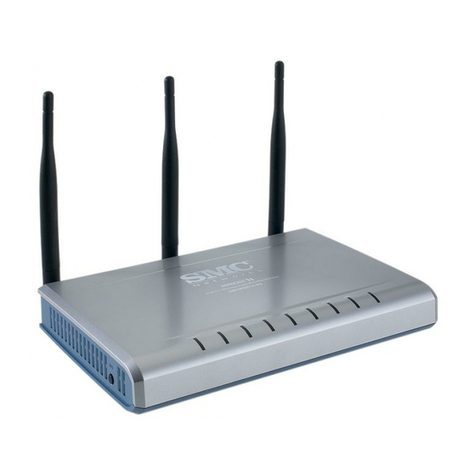
Tenda F6 User manual

I
Wireless Router
User Guide

I
Copyright Statement
© 2019 Shenzhen Tenda Technology Co., Ltd. All rights reserved.
is a registered trademark legally held by Shenzhen Tenda Technology Co., Ltd. Other
brand and product names mentioned herein are trademarks or registered trademarks of their
respective holders. Copyright of the whole product as integration, including its accessories and
software, belongs to Shenzhen Tenda Technology Co., Ltd. No part of this publication can be
reproduced, transmitted, transcribed, stored in a retrieval system, or translated into any language
in any form or by any means without the prior written permission of Shenzhen Tenda Technology
Co., Ltd.
Disclaimer
Pictures, images and product specifications herein are for references only. To improve internal
design, operational function, and/or reliability, Tenda reserves the right to make changes to the
products without obligation to notify any person or organization of such revisions or changes.
Tenda does not assume any liability that may occur due to the use or application of the product
described herein. Every effort has been made in the preparation of this document to ensure
accuracy of the contents, but all statements, information and recommendations in this document
do not constitute the warranty of any kind, express or implied.

II
Preface
Thank you for choosing Tenda! Please read this user guide before you start.
Conventions
This user guide is applicable to the following routers. F6 is used for illustrations here unless
otherwise specified. The contained images and UI screenshots are subject to the actual products.
Product model
Description
F6
Wireless N300 Home Router
N301
Wireless N300 Easy Setup Router
Typographical conventions in this User Guide:
Item
Presentation
Example
Cascading Menus
>
Click Status > Device Status
Parameter and value
Bold
Set User Name to Tom.
UI control
Bold
On the Policy page, click the OK button.
Variable
Italic
Format: XX:XX:XX:XX:XX:XX
Message
“ ”
The “Success” message appears.
Symbols in this User Guide:
Item
Meaning
This format is used to highlight information of importance or special interest. Ignoring
this type of note may result in ineffective configurations, loss of data or damage to
device.
This format is used to highlight a procedure that will save time or resources.
Acronyms and Abbreviations
Acronym or Abbreviation
Full Spelling
DDNS
Dynamic Domain Name System
DHCP
Dynamic Host Configuration Protocol
DMZ
Demilitarized Zone
DNS
Domain Name Server
IPTV
Internet Protocol Television
ISP
Internet Service Provider

III
Acronym or Abbreviation
Full Spelling
PPP
Point To Point Protocol
PPTP
Point to Point Tunneling Protocol
SSID
Service Set Identifier
Technical Support
If you need more help, contact us by any of the following means. We will be glad to assist you as
soon as possible.
Hotline
Global: (86) 755-27657180
(China Time Zone)
United States: 1-800-570-5892
(Toll Free: Daily-9am to 6pm PST)
Canada: 1-888-998-8966
(Toll Free: Mon - Fri 9 am - 6 pm PST)
Hong Kong: 00852-81931998
Website
www.tendacn.com
Email

IV
Content
1At a glance.....................................................................................................................................1
1.1 Overview ................................................................................................................................1
1.2 Apperance..............................................................................................................................1
1.2.1 LED indicators..............................................................................................................1
1.2.2 Ports and buttons........................................................................................................2
1.2.3 Label............................................................................................................................2
2Quick setup ...................................................................................................................................3
3Web UI...........................................................................................................................................5
3.1 Logging in to the web UI ........................................................................................................5
3.2 Logging out of the web UI......................................................................................................6
3.3 Web UI layout.........................................................................................................................7
4Status.............................................................................................................................................8
4.1 Internet connection status.....................................................................................................8
4.2 Online devices and real-time speed.......................................................................................9
4.3 System information..............................................................................................................10
5Internet settings..........................................................................................................................11
5.1 Router mode ........................................................................................................................11
5.1.1 Setting up an internet connection with PPPoE.........................................................12
5.1.2 Setting up an internet connection with dynamic IP .................................................13
5.1.3 Setting up an internet connection with static IP.......................................................14
5.2 WISP mode...........................................................................................................................15
5.3 Universal repeater mode .....................................................................................................19
5.4 AP mode...............................................................................................................................24
6Wireless settings .........................................................................................................................26
6.1 Customizing your WiFi name and password........................................................................28
6.2 Setting up WiFi schedule......................................................................................................28
7Bandwidth control.......................................................................................................................29
7.1 Configuring bandwidth control............................................................................................30
7.2 Blocking a device..................................................................................................................30
8Parental controls .........................................................................................................................31
8.1 Overview ..............................................................................................................................31

V
8.2 Setting up a parental controls rule.......................................................................................32
8.3 Example of configuring parental control..............................................................................33
9Advanced.....................................................................................................................................34
9.1 MAC address filter................................................................................................................34
9.1.1 Overview ...................................................................................................................34
9.1.2 Setting MAC address filter rules................................................................................34
9.1.3 Example of setting a MAC address filter rule............................................................35
9.2 IP-MAC binding ....................................................................................................................37
9.2.1 Configuring an IP-MAC binding rule..........................................................................37
9.3 Port forwarding ....................................................................................................................39
9.4 DDNS ....................................................................................................................................41
9.4.1 Overview ...................................................................................................................41
9.4.2 An example of configuring DDNS..............................................................................41
9.5 DMZ host..............................................................................................................................44
9.6 UPnP.....................................................................................................................................45
9.7 PING WAN ............................................................................................................................45
10 Administration......................................................................................................................46
10.1 Login password...................................................................................................................46
10.2 WAN parameters................................................................................................................47
10.3 LAN parameters..................................................................................................................49
10.4 Remote web-based management......................................................................................50
10.5 Date & Time .......................................................................................................................53
10.6 Device management ..........................................................................................................54
Appendix ............................................................................................................................................59
A.1 Configuring the computer to obtain an IP address automatically.......................................59
A.1.1 Windows 8 ................................................................................................................59
A.1.2 Windows 7 ................................................................................................................61
A.1.3 Windows XP..............................................................................................................63
A.2 Default parameters..............................................................................................................65

1
1 At a glance
1.1 Overview
Tenda wireless N300 home router is an eco-friendly wireless router dedicated for small and
medium apartments. With 4 external 5 dBi antennas and built-in Qualcomm WiFi chip, it works
perfectly with popular mobile phones, blanks your home with reliable and stable internet
connection. The WISP mode allows you to extend your existing WiFi network with one single step.
In addition, the WiFi schedule function helps save power consumption by setting your router to
turn on and off the WiFi network regularly.
1.2 Apperance
1.2.1 LED indicators
LED indicator
Status
Description
LED indicator
Solid on
The router is starting or connected to the internet successfully.
LAN1/2/3
Slow blinking
The router fails to connect to the internet.
WAN
Fast blinking for 3
seconds
A wired device is connected or disconnected to the router.

2
1.2.2 Ports and buttons
Button/Port
Description
WiFi/RST
WiFi on/off button and reset button.
Hold the button down for 1~3 seconds to turn on or off the WiFi network of the router.
Hold the button down for about 8 second, then release when the LED indicator blinks
fast. The router is reset successfully.
LAN1/2/3
Used to connect to the wired devices such as computers or switches.
WAN
Used to connect this router to the internet.
PWR
Used to connect to the included power adapter.
1.2.3 Label
The bottom label shows the SSID, login IP address, serial number and MAC address of the router.
See the following figures:
IP Address: It is the default address used to log in to the web UI of the router.
MAC: It specifies the MAC address of the router.
SSID: It specifies the default WiFi name of the router.
S/N: If there goes something wrong with your device and you need to send it to our technical staff
for repair, you will need this sequence number.

3
2 Quick setup
This chapter introduces how to set up to the router quickly to access the internet for the first time.
Step 1 Connect your router.
1. Power on the router using the power adapter included in the package.
2. Use an Ethernet cable to connect an Ethernet jack or a LAN port of your modem to the
WAN port of the router.
3. Either connect your computer to a LAN port of the router, or connect your WiFi-enabled
device, such as a smart phone, to the default WiFi name (SSID) of the router.
The default SSID is on the bottom label of the router.
Step 2 Set up the router. (Here we use a computer to set up the router)
1. Start a web browser on the computer that has connected to the router, and visit
tendawifi.com or 192.168.0.1.
2. The router detects your connection type automatically. Set the parameters based on the
detection result, PPPoE is used for instructions.
−User Name: Enter the user name provided by your ISP.
−Password: Enter the password provided by your ISP.
3. Customize the WiFi Name and WiFi Password, and click OK.

4
---End
It displays as the following figure, and it will be redirected to the home page in 3 seconds.
To access the internet, connect wireless devices to the WiFi network of the router again using the
WiFi name and password you set, and connect your wired devices to port LAN1/2/3.
Other manuals for F6
1
This manual suits for next models
1
Table of contents
Other Tenda Wireless Router manuals


Tenda
Tenda 4G185 User manual

Tenda
Tenda R502 User manual

Tenda
Tenda AC1200 User manual

Tenda
Tenda Multifunctional Broadband Router User manual

Tenda
Tenda AC8 User manual

Tenda
Tenda W302R User manual

Tenda
Tenda 3G611R+ User manual

Tenda
Tenda AC19 User manual

Tenda
Tenda F300 User manual

Tenda
Tenda N60 User manual