
Intwine Energy IECT-210 User manual
PG 1
Install Guide IECT-210
Caution
• Your thermostat is a precise instrument, handle it with care.
• Turn off electricity to the HVAC system before installing or
servicing thermostat or any part of the system.
• Do not turn electricity back on until work is completed.
• Do not short (jumper) across electric terminals at the control on
the furnace or air conditioner to test the system. This may damage
the thermostat.
• All wiring must conform to local codes and ordinances.
• This thermostat is designed for use with 3AA alkaline batteries
and/or 24 volt AC C wire (or a 12-24 AC or DC source) and millivolt
gas systems. Each thermostat relay load should be limited to 1.0
amp; higher amperage may cause damage to the thermostat.
Caution
To avoid electrical shock and to
prevent damage to the furnace, air conditioner, and thermostat,
disconnect the power supply before beginning work. This
can be done at the circuit breaker.
ENGLISH
DAY
F
LINK
RADIO
TARGET TEMP
1
COOL
AUTO
PM
intwine
E N E R G Y
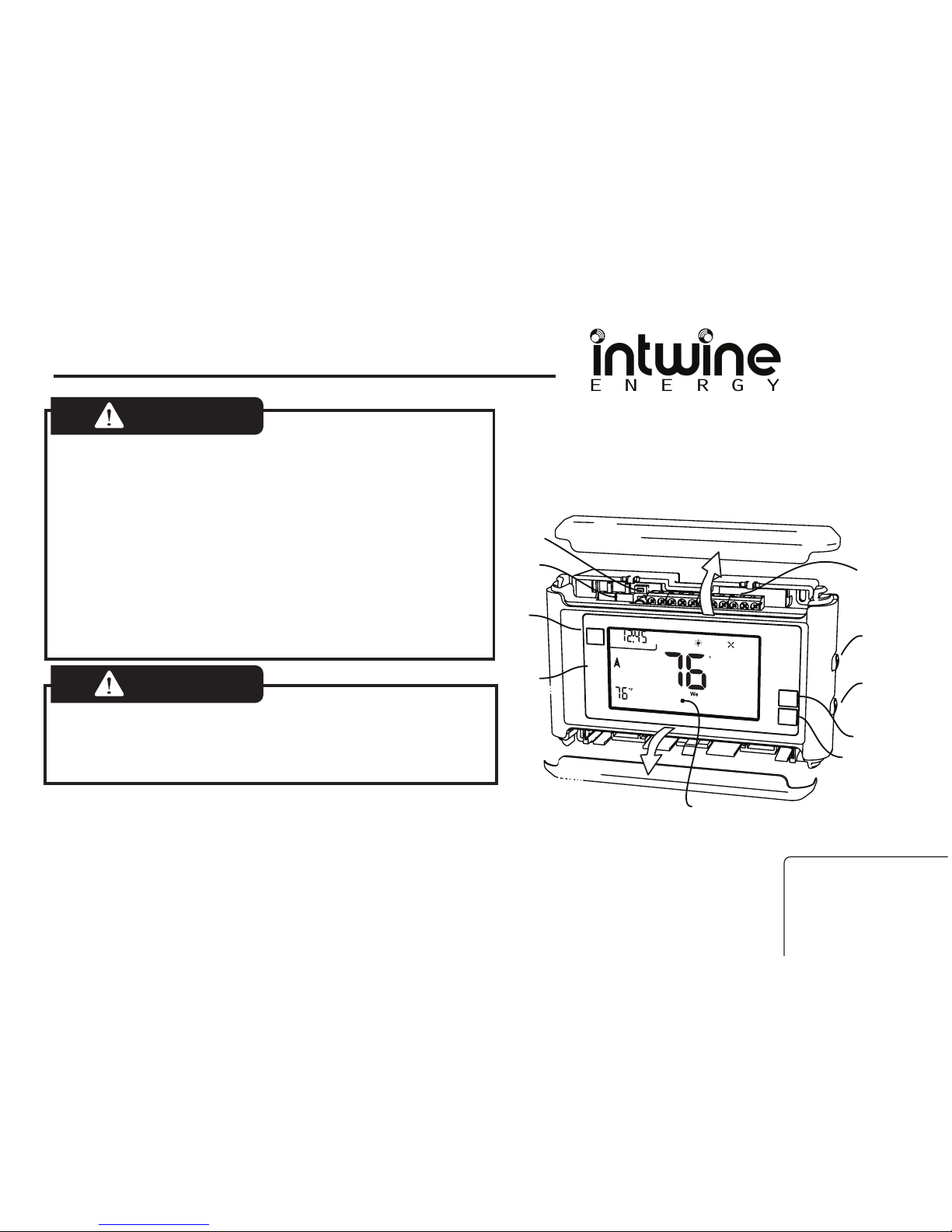
Wire
terminals
Mode
button
Fan
button
Menu
button
Touch
screen
Reset
button
Bottom
cover
Top
cover
Power
grid status
indicator
HVAC
selection
switches
Save
Energy
Button
PROG
button
PG 2
TOOLS
You will need a small Phillips screwdriver and a drill with 3/16-in. (4.8mm) bit for wall mounts.
LOCATION
Replacement installations - mount the IECT-210 in place of the old thermostat.
A new location will require moving your wiring.
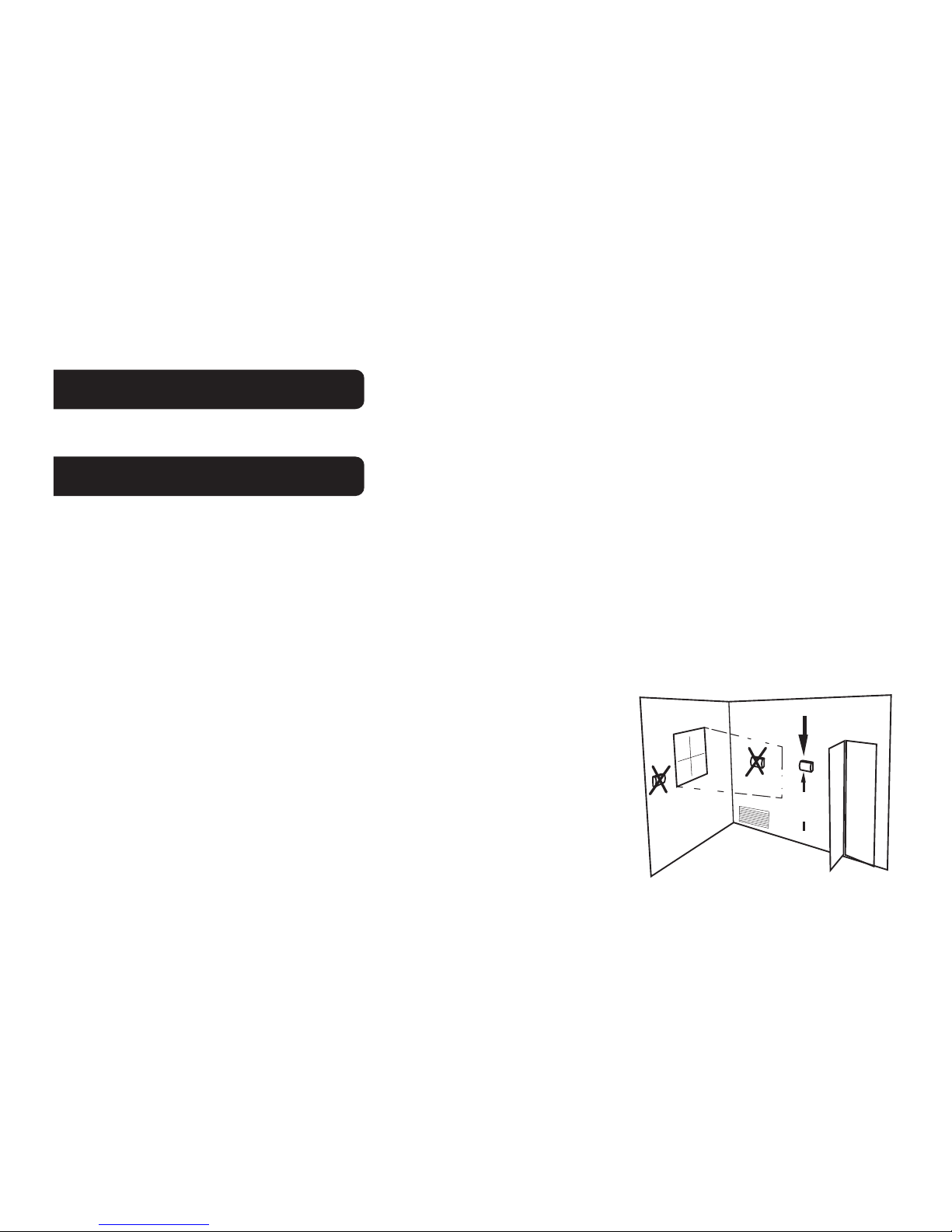
For new installations and relocating the IECT-210 - follow the guidelines listed below:
• Locate the thermostat on an inside wall, about 5 ft. (1.5m) above the oor, and in a room that
is used often.
• Do not install it where there are unusual heating conditions, such as: in direct sunlight; near
a lamp, radio, television, radiator register, replace; near hot water pipes in a wall; or near a
stove on the other side of a wall.
• Do not locate in unusual cooling conditions, such as: on a wall
separating an unheated room; or in a draft from a stairwell, door,
or window.
• Do not locate in a damp area. This can lead to corrosion that will
shorten thermostat life.
• Do not locate where air circulation is poor, such as: in a corner, an
alcove; behind an open door.
• Do not install the IECT-210 until all construction and painting has
been completed.
• This thermostat does not require leveling.
Good
5ft.
(1.5m)

PG 2
PG 3
REMOVE OLD UNIT
Switch OFF electricity to the HEATING and COOLING systems.
Then follow these steps:
• Remove cover from old thermostat. Most are snap-on types and simply pull off. Some have locking
screws on the side or front. These must be loosened. DO NOT remove wires. Note the letters
printed near the terminals. Attach labels (enclosed) to each wire for identication.
Caution
Read instructions carefully before removing any wiring from
existing thermostat. Wires must be labeled before they are removed.
THERE IS NO STANDARD COLOR CODE. When removing wires
from their terminals, ignore the color of the wires and LABEL THEM
by the lettered terminal where they were screwed.
• Label the wires one at a time. You must label all the wires
before you proceed.
• With all wires labeled, remove them from the old unit.
• Make sure the wires do not fall back inside the wall. You
can wind them around a pencil to keep them from falling.
• Loosen all screws on the old thermostat and remove it from
the wall.
C
G
W
PG 4
What wires do you have? Make sure your wires are labeled. This may require you to
nd the ‘other end’ connection for each wire on your heating or air conditioning equipment and read
the label there. Refer to the Wire Reference page at end of install section for better understanding of
wire labels from different HVAC system makers.
IMPORTANT: The IECT-210 runs on 3 AA alkaline batteries and/or the C wire if available. If you
do not have a C wire you can run a new wire from the HVAC or use a standard 12-24V [AC or DC]
wall transformer. A external power source is required when using an Intwine WiFi module.
IMPORTANT: If you have both RH and RC you need to remove the jumper wire
between these 2 terminals.
Prepare Wires
Please follow these guidelines for safe and
secure wire connections:
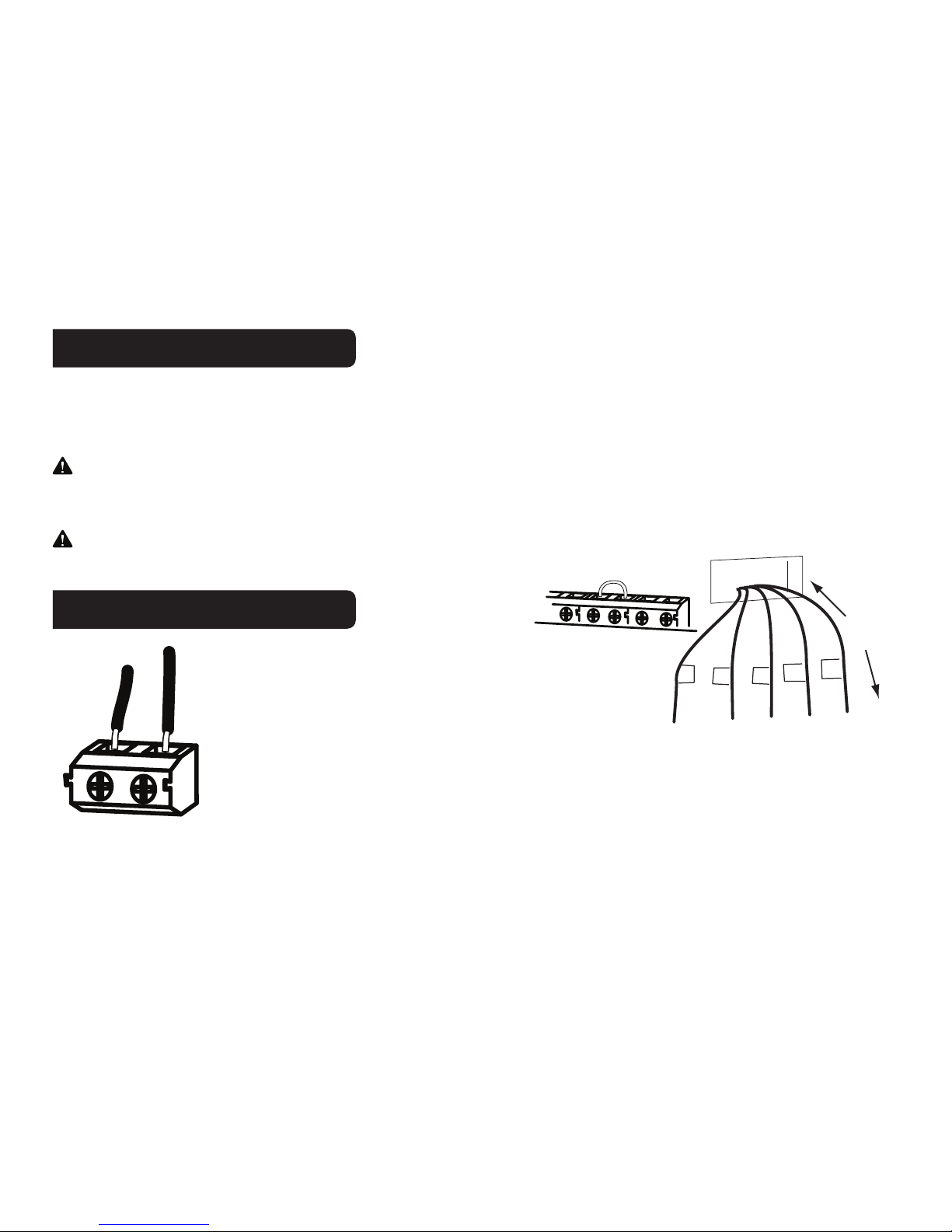
• You will need at least 2.6” of wire for each of
your connections to the IECT-210.
• If you do not have enough wire, splice additional wire to allow enough slack.
• Terminals accept wires from 16-22awg.
• Fan out wires below the hole as shown.
• Remove insulation 1/8” from the tip of each wire.
• When handling, take care not to damage the labels for each wire.
G
CYRH
W
2.6"
from HVAC
System
Jumper
wire
Wire Terminals
Y
RH RC
G A
PG 4
PG 5
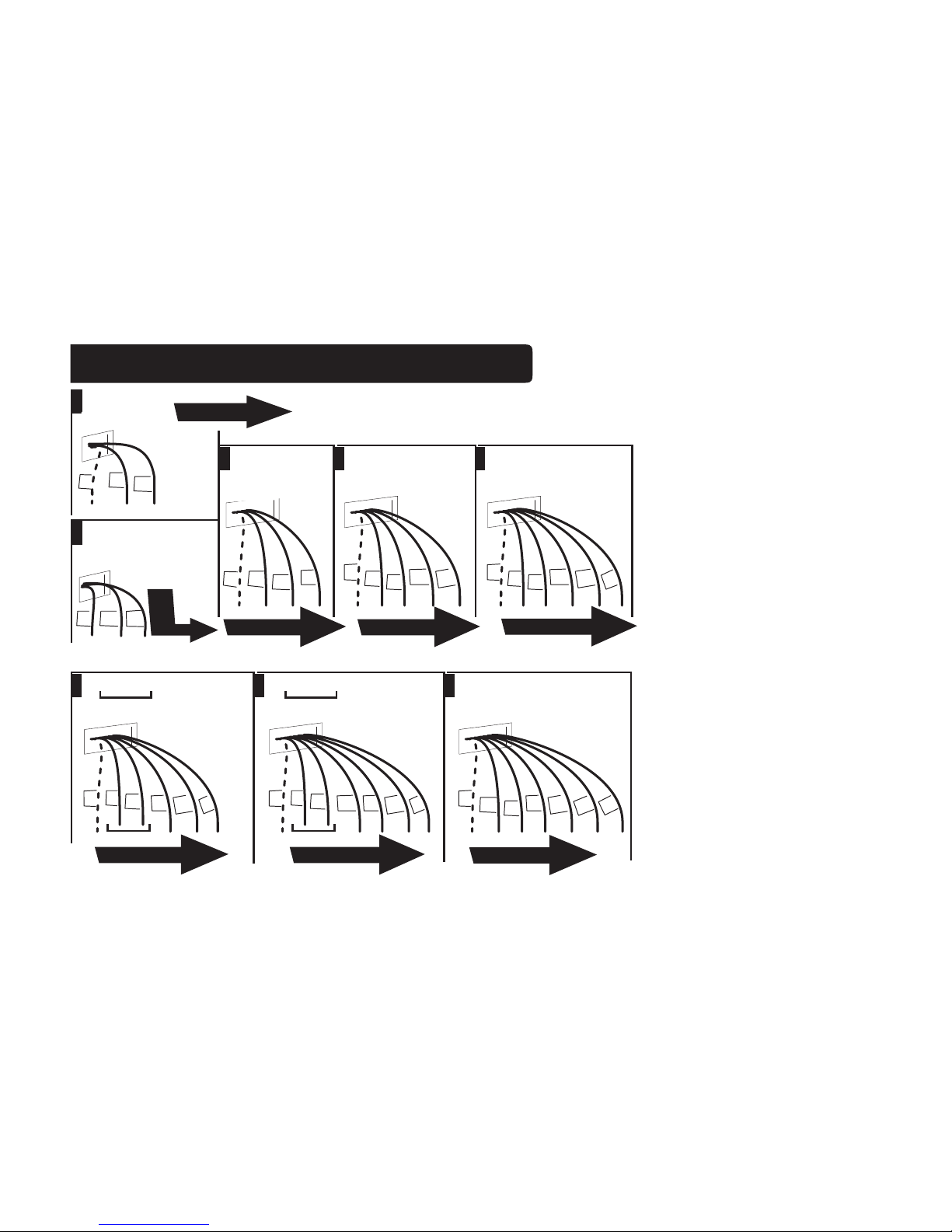
Find the step-by-step diagram for your system
• Select the referenece
page with your wiring
diagram and set-up
information below.
• The C-wire is optional
but prefered for all
installations [shown dotted
in diagrams]. The Intwine
WiFi module will require
the 24VAC C-wire power
or the wall transformer
mentioned on page 4.
• If your combination of
wires is not above you
can use the wiring table
at the end if the install
section to determine your
connections, contact
customer support for help.
G
C W Y RH RC G
5 Wire
Heat/Cool
From
Furnace
RC
CYRH
W
C W Y RH G
4 Wire
Heat/Cool
From
Furnace
G
C
YRH
W
C W RH G
3 Wire
Heat
From
Furnace
CRH G
W
From
Furnace
C
W
C W RH
RH
2 Wire
Heat
From
Furnace
WRH
A
W RH A
3 Wire
Zoned
Hot Water
WIRES
WIRES
WIRES
WIRES
WIRES
G
RH
C W2 W Y Y2 RH G
2 stage Cool
2 stage Heat
From
Furnace
Y
2
C
WY
W
2
C B or O W2 Y RH G
5 Wire
Heat Pump
w/ Aux Heat
From
Furnace
RH
CO
or
W2
B
G
Y
G
C B or O Y RH G
4 Wire Heat Pump
w/o Aux Heat
From
Furnace
RH
CO
or
Y
B
WIRES
WIRES
WIRES
Go To Page 13
Go To Page 13 Go To Page 14
Go To Page 14
Go
To
Page 16
Go To Page 15 Go To Page 15 Go To Page 16
from
HVAC
from
HVAC
from
HVAC
from
HVAC
from
HVAC
from
HVAC
from
HVAC
from
HVAC
PG 6
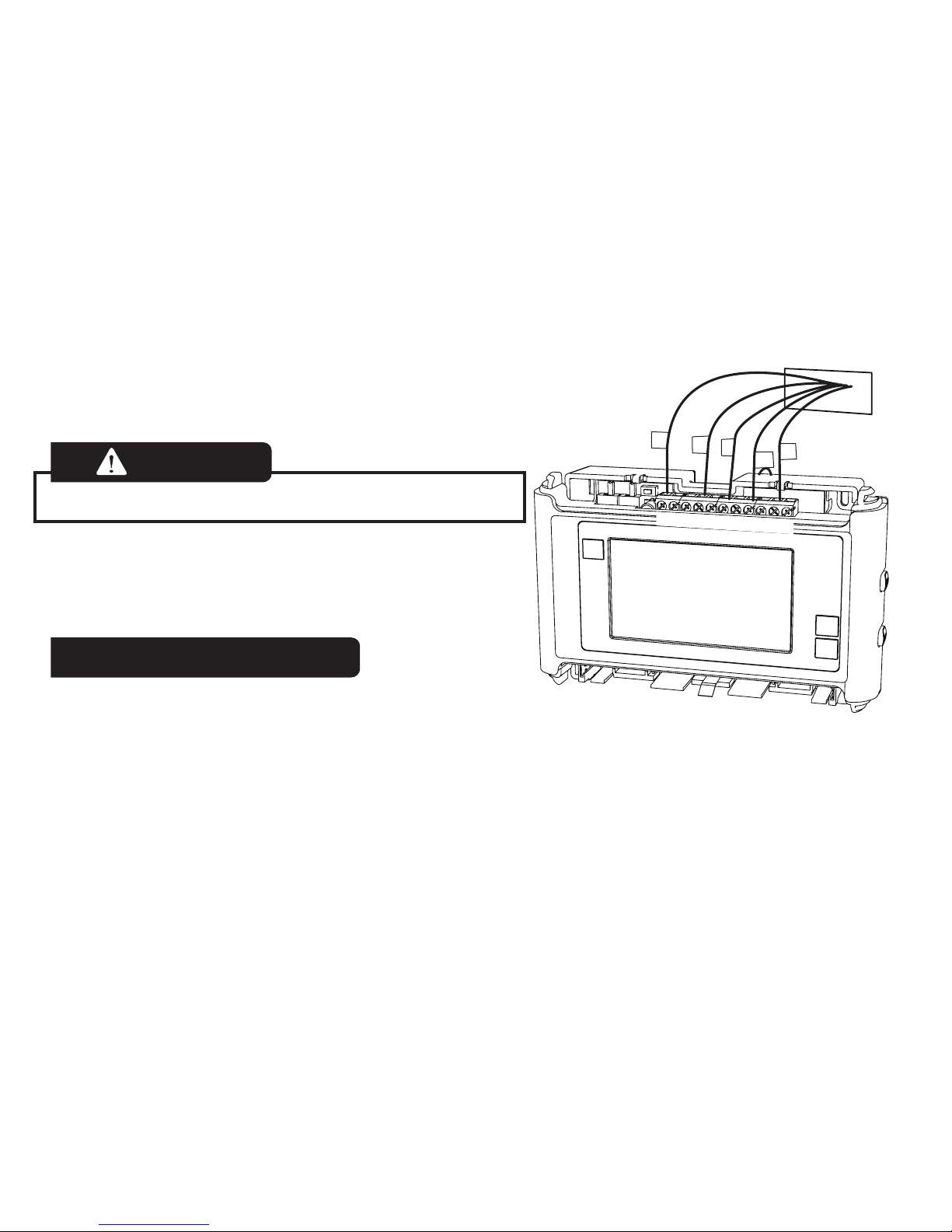
• “Fan out” wires as illustrated with IECT-210 below the wall opening. As in the example:
fan out the wires so that the C wire is above the C terminal,
the W above the W. This allows the IECT-210 to t snug to
the wall.
Caution
Do not allow wires to touch each other or parts on thermostat.
• Wires will position behind the IECT-210 and up over the
terminal area.
• Do not bunch wires behind the IECT-210. Feed any slack
back into the wall opening.
Connect Your Wires
• Connect labeled wires only to a terminal with the same
letter label.
• Insert the wire in the terminal well and tighten the screw securely.
NOTE: If you wish you can mount the IECT-210 to the wall rst, and then connect the wires.
• The IECT-210 can be externally powered with a power source rated from 12V to 24V, AC or DC, at
300ma or greater. If used, connect to the C and RH terminals (no polarity).
CBOW
W2
Y
Y2 RHRC
GA
RH
YG
C
W
from HVAC
PG 6
PG 7
Mount the IECT-210 to Wall
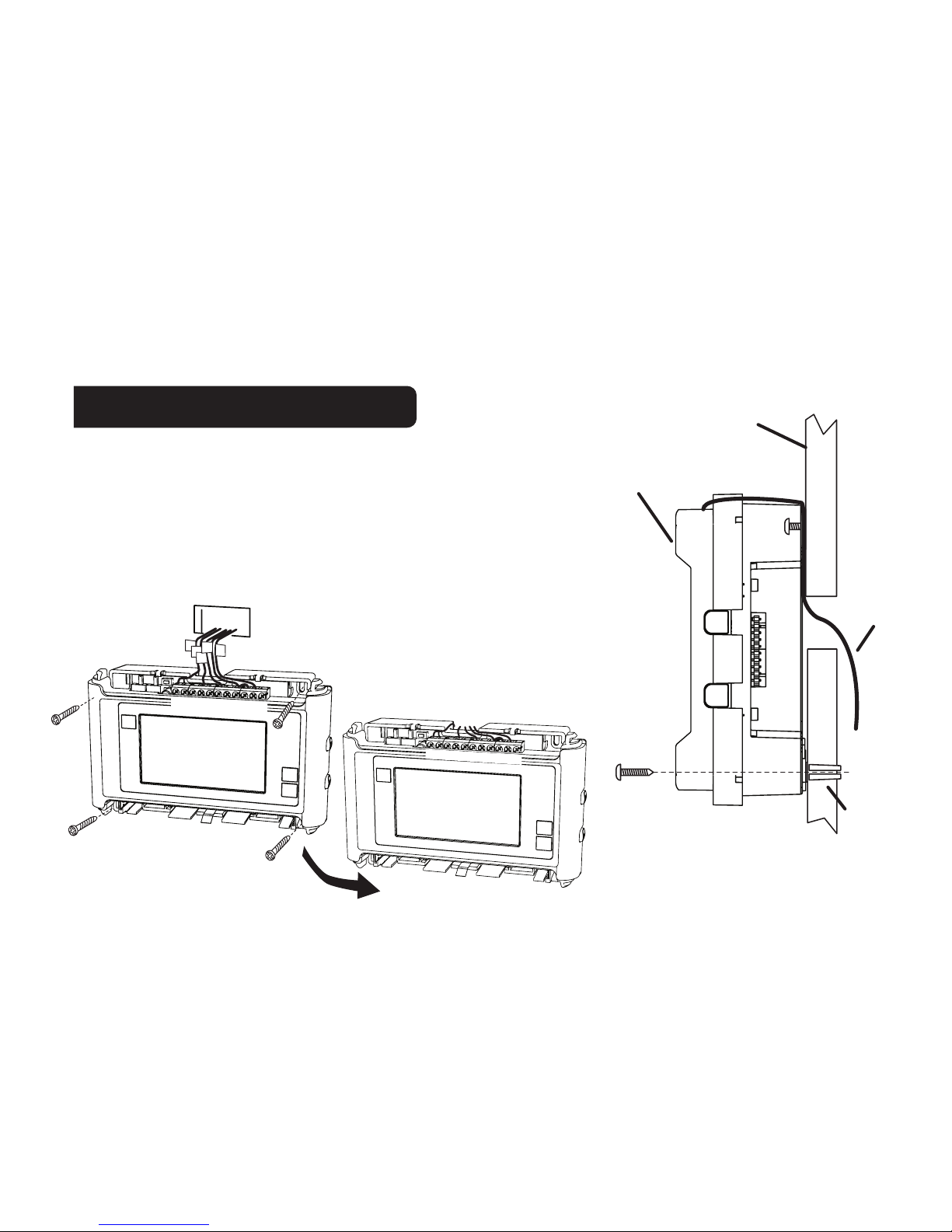
1. Hold the IECT-210 against the wall, with the wires coming over
the top; above terminal block. The IECT-210 will cover the hole in
the wall.
2. Position IECT-210 for best appearance.
3. Attach the IECT-210 to the wall with the screws provided.
4. If you are mounting the IECT-210 to sheet rock or if you are
using the old mounting holes, use the plastic anchors provided.
5. Mark rst and drill a 3/16-in.
(4.8mm) hole for the insert at each
screw location, then mount the
unit.
Screw to wall
Place wires like this
Wall
Wires
Wall
anchor
MODE
FA N
IECT-210
CBOW
W2
Y
Y2 RHRC
GA
CW
Y
RH
G
CBOW
W2
Y
Y2 RHRC
GA
PG 8
HVAC Selection
• Set the HVAC TYPE switch in the NORM position if you
have conventional natural gas, propane, oil, or electric heat.
If you have a HEAT PUMP system set the HVAC TYPE
switch to HP.
• Set the HEAT SOURCE switch in the GAS position if you have normal gas or oil heat or if you have
a heat pump with gas or oil auxiliary heat. Put the HEAT SOURCE in the ELEC position if you have
normal electric heat or if you have a heat pump with electric auxiliary heat.
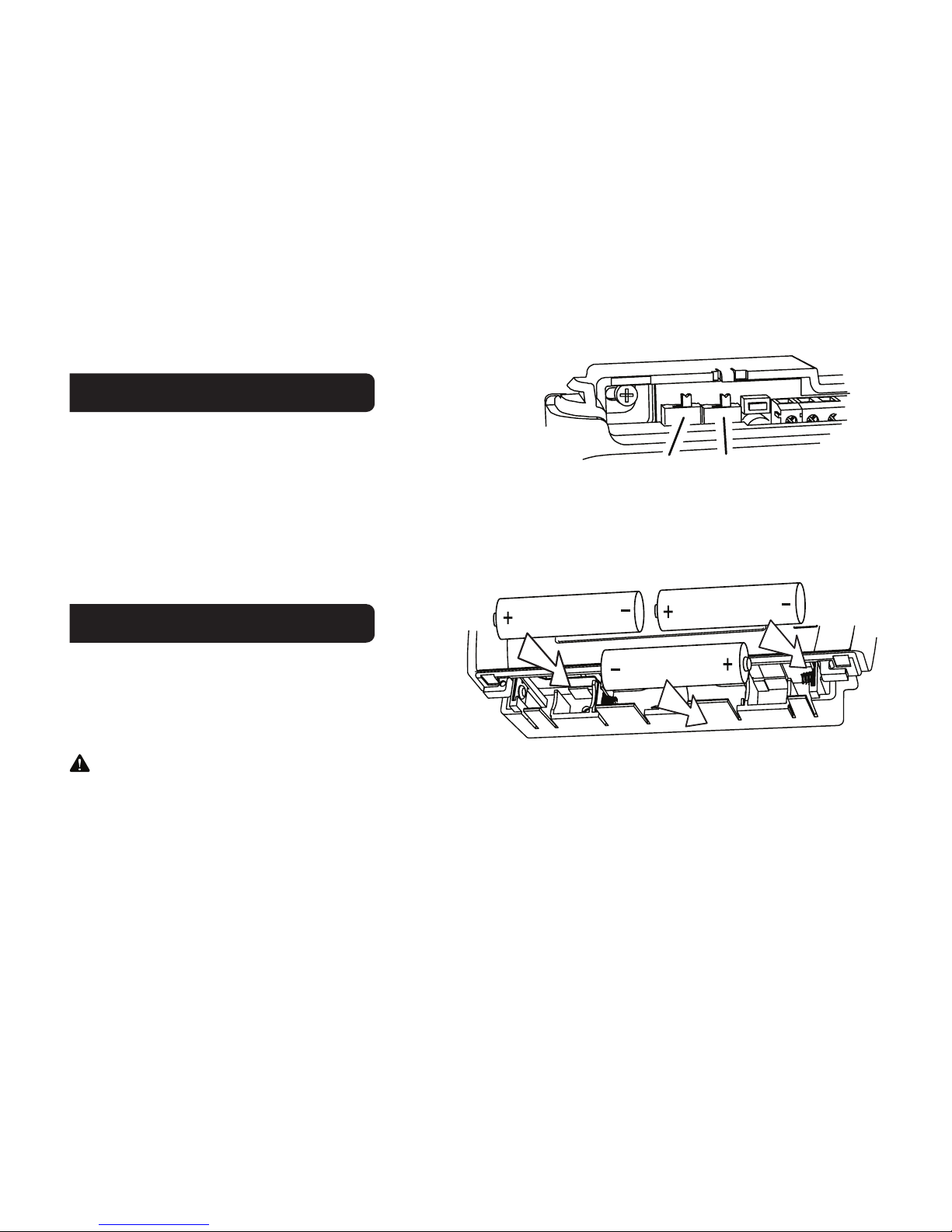
Install 3 AA Batteries
• Install 3 AA alkaline batteries [required] following
the marked polarity in the battery compartment.
Put the lower battery in negative end rst against
the spring, then push the positive end in. Then
insert the last 2 batteries as shown.
IMPORTANT: Press the RESET button (under top cover) to implement the HVAC switch
selections.
• With all the wires connected it is time to turn the AC power back on. Do this at the breaker you used
to switch it off. The IECT-210 will power-up in the OFF mode. Your IECT-210 is not congured to
operate your HVAC system yet. You must now congure your thermostat for your HVAC system.
GAS
ELEC
NORM
HP
RESET
HVAC
TYPE
HEAT
SOURCE
AA
AA
AA
1
2
3

PG 8
PG 9
Caution
Special Battery Warning
Always replace the batteries as soon as the “Low Batt” ashes. The thermostat is a battery powered
device. You must be responsible to replace batteries before they run out. Failure to replace batteries can
result in overheating or excessive cooling of your house.
• Even if the “Low Batt” indicator does not ash, you should always replace the batteries at least once a
year. Replacing the batteries also helps to prevent leakage that can corrode and damage the thermostat.
• If you are leaving your home for a month or more, you should replace the batteries as a precaution
against battery failure in your absence.
• Always use new alkaline batteries.
• Failing to replace the batteries, when necessary, could cause the thermostat to lose power or
malfunction. If the thermostat loses power, then the thermostat will not control the temperature which
could result in your HVAC system not functioning as you intended and lead to possible damage from
overheating or excessive cooling.
• If the thermostat batteries fail with the heat OFF, this can result in NO HEAT and possible frozen or
broken pipes and water damage.
• If the thermostat batteries fail with the cool OFF, this can result in NO COOL and could cause possible
damage or excessive temperatures.
PG 10
HVAC Setup on Screen
IMPORTANT: Make sure the IECT-210 is powered up and
the mode switch is set to OFF. HVAC selection switches must
be set rst [pg 8].
• With mode in OFF press MENU and touch HVAC SET UP.
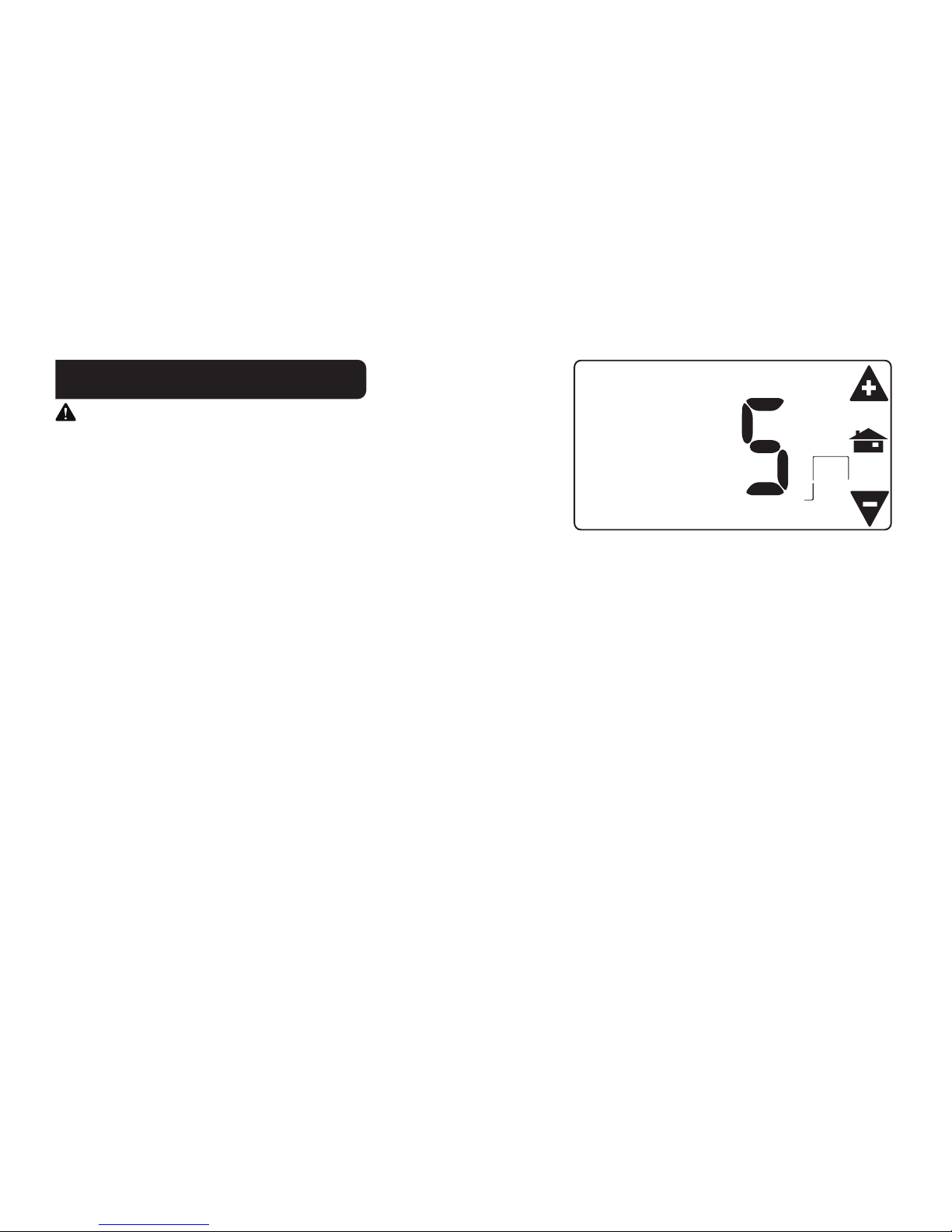
• Use +/- icons to select HVAC SET UP number on screen.
The LCD display will show your selection and indicate the
number of stages you have selected. During setup, 2nd stage
will blink when both heat and cool have 2nd stages.
If you have a Normal HVAC system and
you want fast temperature recovery...
HEAT and COOL select 1
2 stage HEAT, 1 stage COOL select 2
2 stage HEAT, 2 stage COOL select 3
If you want efcient [but slower] recovery...
2 stage HEAT, 1 stage COOL select 4
2 stage HEAT, 2 stage COOL select 5
NOTE: For 2 stage systems your IECT-210 can recover from a temperature setback in 2 ways: 1] Fast Recovery - This uses your 2nd
stage to bring the house to Target Temperature. This may use slightly more energy. 2] Efficient Recovery -This uses the 2nd stage to
bring your house to within a few degrees of the Target Temperature and then uses the 1st stage to go the last bit. (See setting the dif-
ferential in the operating guide). This is more efficient.
HEAT
2
ND
STG
HVAC
SETUP
COOL
If you have a HEAT PUMP HVAC
system...
HEAT PUMP with AUX heat select A
(fast recovery)
HEAT PUMP with AUX heat select b
(efcient recovery)
HEAT PUMP no AUX heat select C
Other manuals for IECT-210
2
Table of contents
Other Intwine Energy Thermostat manuals


Popular Thermostat manuals by other brands


Saswell
Saswell SAS920XWHB-7-S-RF User manual and warranty card

Aircalo
Aircalo TFP1-ET85P2 operating manual

Honeywell
Honeywell CM721 user manual

Carrier
Carrier DEBONAIR 33CS Installation and operating instructions

Lennox
Lennox iHarmony Zone Thermostat Installation and setup guide

Gemtech
Gemtech GT7000 Operation


