20. Accessories –Do not place this product on an unstable cart, stand, tripod, bracket, or table. The product
may fall, causing serious injury to a child or adult, and serious damage to the product. Use only with a cart,
stand, tripod, bracket, or table recommended by the manufacturer, or sold with the product.
21. Lightning –For added protection for this product before a lightning storm, or when it is left unattended
and unused for long periods of time, unplug it from the wall outlet. This will prevent damage to the product
due to lightning and powerline surges.
22. Replacement Parts –When replacement parts are required, be sure the service technician has used
replacement parts specified by the manufacturer or have the same characteristics as the original part.
Unauthorized substitutions may result in fire, electric shock, or other hazards.
23. Safety Check –Upon completion of any service or repairs to this product, ask the service technician to
perform safety checks to determine that the product is in proper operating condition.
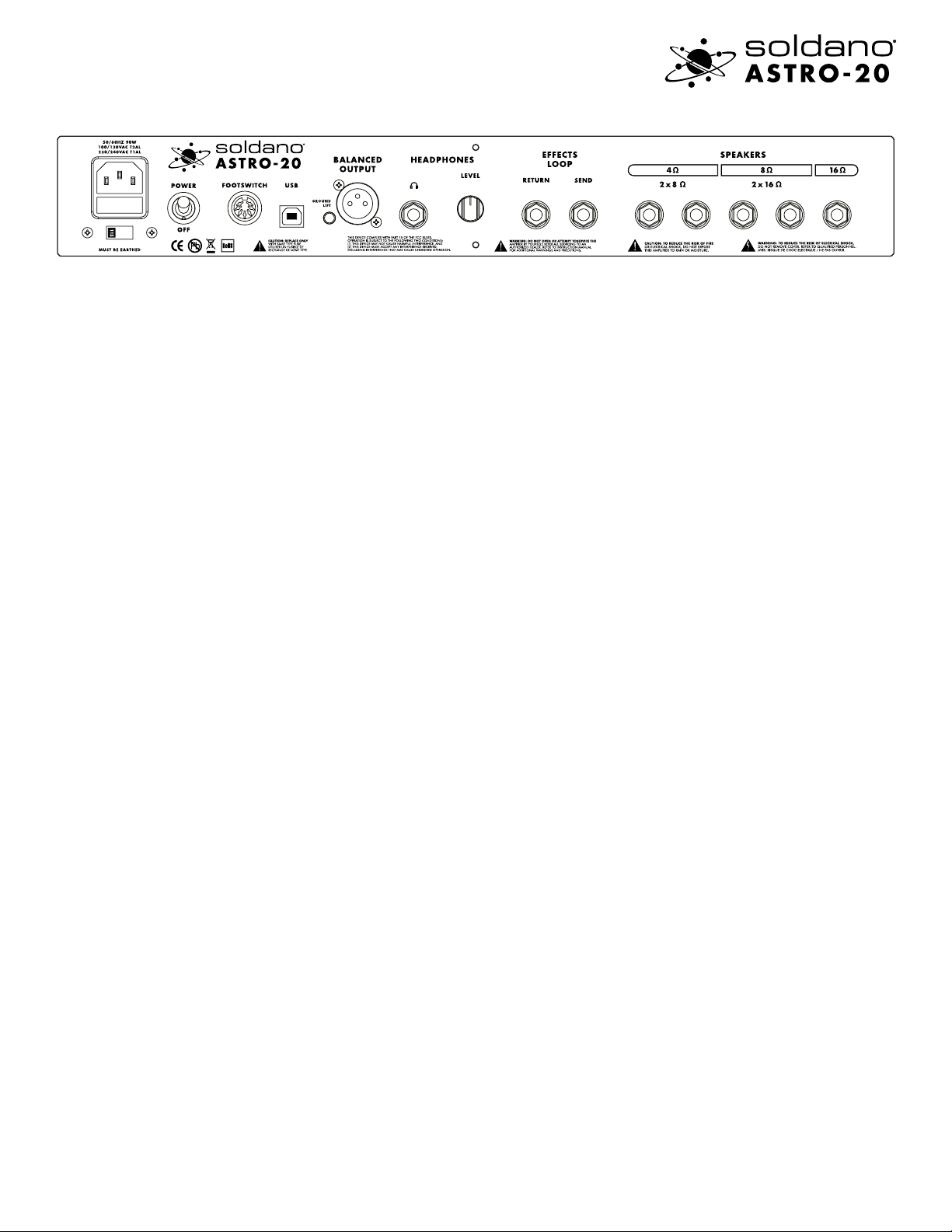
24. FUSES –Always use the correct rating and type of fuse as indicated on the rear panel. Note the proper
rating fuse is determined by the AC line voltage in the country where this unit is being operated.
25. AC SELECT SWITCH: This switch must be set to match the AC line voltage in the country where this unit is
being operated. Always use the correct rating and type of fuse as indicated on the rear panel. Note the proper
rating fuse is determined by the AC line voltage in the country where this unit is being operated.
NOTE: This equipment has been tested and found to comply with the limits for a Class B digital device,
pursuant to part 15 of the FCC Rules. These limits are designed to provide reasonable protection against
harmful interference in a residential installation. This equipment generates, uses and can radiate radio
frequency energy and, if not installed and used in accordance with the instructions, may cause harmful
interference to radio communications. However, there is no guarantee that interference will not occur in a
particular installation. If this equipment does cause harmful interference to radio or television reception, which
can be determined by turning the equipment off and on, the user is encouraged to try to correct the
interference by one or more of the following measures: - Reorient or relocate the receiving antenna. - Increase
the separation between the equipment and receiver. - Connect the equipment into an outlet on a circuit
different from that to which the receiver is connected. - Consult the dealer or an experienced radio/ TV
technician for help.
Changes or modifications not expressly approved by the party responsible for compliance could void the user’s
authority to operate the equipment.
This device complies with part 15 of the FCC Rules. Operation is subject to the following two conditions: (1) This
device may not cause harmful interference, and (2) this device must accept any interference received, including
interference that may cause undesired operation.