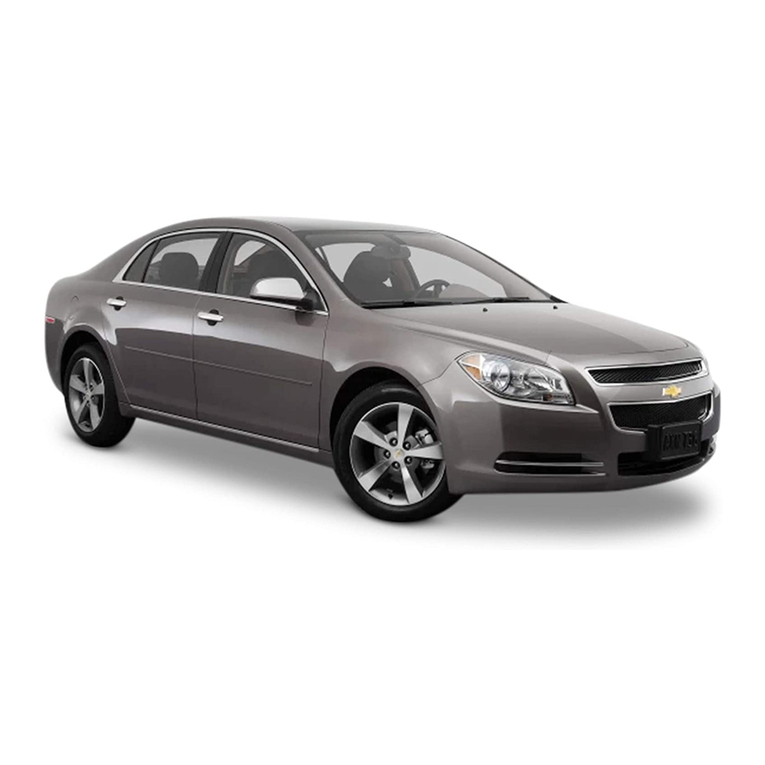
Ligier Myli User manual

User manual


33
LIGIER GROUP
would like to thank you
Thank you for choosing one of our products. This manual has been designed
to present you with all our product quality features.
Please read it in detail before driving the vehicle for the first time.
You will find information, recommendations and instructions
for use, as well as special features, details and tips confirming that you have
made the right choice.
After reading this manual, you will easily become familiar with your new
vehicle and will use it for a long time giving you full satisfaction.
Manual
Some of the photographs, illustrations and descriptions in this service manual
do not necessarily correspond to the vehicle model used.
The instructions in this manual have been written primarily to provide a
simple and clear guide to use your vehicle, as well as basic maintenance
operations and periodic checks to be carried out by approved professionals.
The booklet also contains instructions for simple repairs.
The operations which are not explicitly described in the booklet require special
tools and/or specialised technical knowledge; we therefore recommend that
you contact LIGIER GROUP Approved Dealer.
The text on a grey background or in bold contains important information for
the use of the vehicle and for your safety.

Foreword
Energy-efficient driving
What is Energy-efficient driving?
Energy-efficient driving is a responsible way of driving that aims to reduce
the energy consumption used to move around and thus optimise the
vehicle’s life.
Key points:
• Drive smoothly, avoiding sudden accelerations.
• Use the “energy-efficient” mode as often as possible, as this allows you to
“reduce” accelerations and reduce the consumption of certain on-board
components.
• Use regenerative braking to recover energy. This phenomenon, unique to
hybrid and electric cars, allows the traction batteries to be recharged by
using the “engine brake” function before the brake pedal is used.
• Anticipate recharging every day at home and locate available and
compatible charging stations on your route before leaving home.
• Know how to use the electrical equipment. Auxiliary equipment (e.g. air
conditioning, radio, heating, etc.) must be used wisely so as not to affect
the battery life.
• Follow the recommended maintenance instructions and regularly check
the tyre pressure according to the manufacturer's recommendations.
Driving tips
• Respect the Highway Code and remain alert in all traffic conditions
• Keep your hands on the wheel so you can respond effectively at any time
• Drive smoothly
It is strongly recommended that you do not drive on flooded roads as this
could cause serious damage to the engine and electrical systems under the
vehicle.

55
In the event of an accident or impact on the vehicle's underbody
In these situations, the electrical system or the traction battery can be
seriously damaged.
• Park in the best possible safety conditions.
• Engage the parking brake and turn off the ignition.
• Call the authorised network as soon as possible.
In case of exposure to fire
• Exit the vehicle and evacuate immediately; never attempt to fight the
fire - risk of explosion!
• Immediately contact the emergency services and inform them that the
vehicle is electric.

66
Contents
1. YOUR VEHICLE
Driver’s seat ..................................................... 1.1
Dashboard ........................................................1.2
Controls..............................................................1.3
Central panel...................................................1.4
Door opening and adjustment
of the mirrors..................................................1.5
Opening the tailgate.................................1.6
Identification and keys.............................1.7
USB sockets .....................................................1.8
2. USE
Before using the vehicle..........................2.1
Using the vehicle......................................... 2.2
Sta - Stop ...................................................... 2.3
Recharging - Storage ............................... 2.4
Specific behaviour...................................... 2.5

77
3. SERVICING
Risk prevention
Vehicle liing points .................................. 3.1
Tyres .....................................................................3.2
Lights ...................................................................3.3
Fuses ................................................................... 3.4
Braking circuit fluid level........................ 3.5
Washer liquid ................................................. 3.6
Baery ................................................................3.7
4. TECHNICAL SPECIFICATIONS
General features...........................................4.1
Body
and vehicle maintenance........................4.2
5. ROAD SIGNS


99
1• YOUR VEHICLE

1010
1. 3-position main key switch
2. Headlight, indicator, horn &
front (depending on model) &
rear fog light switch
3. Dashboard
4. Car radio (depending on
model)*
5. Front windscreen wiper switch
(depending on model)
6. Central panel
7. Glove box (li handle to open)
8. Brake pedal
9. Accelerator pedal
10. Forward drive, neutral and
reverse (DNR) buon
11. Air vents
1.1 - DRIVER’S SEAT
* CAUTION:if your car radio is equipped with the CARPLAY / ANDROID AUTO function and you are
using a GPS system: only use the road network specific to L6 vehicles.
2
3
6
5
4
1
7
11
11
9
10
8
Table of contents