Page 10 of 16SD2 Aluminium Wheelchair (SD2_IFU 2022-01 rev2)
Brake operation
Parking Brakes
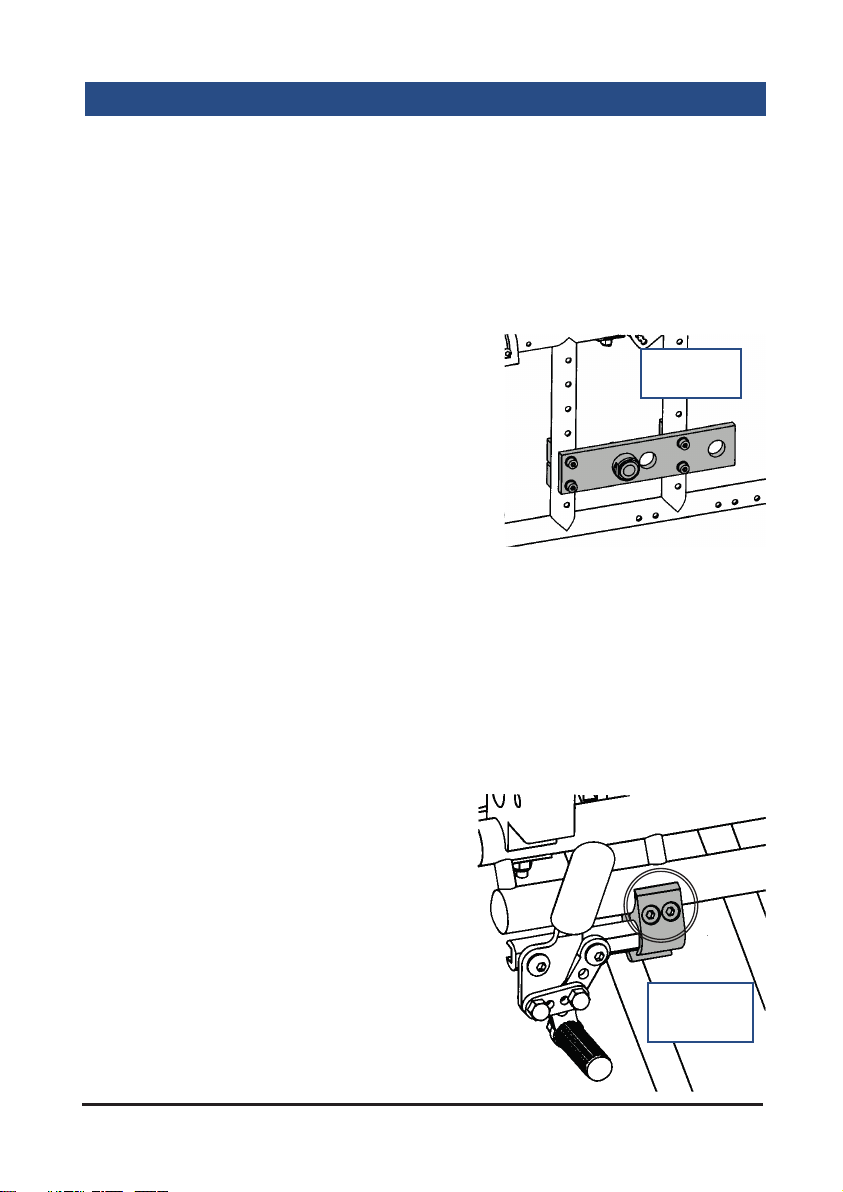
To apply the parking brakes, push the handle on the
brake unit (in the parking brakes image) until locked in
place. To release the brake, pull the handle in the
opposite direction. The brakes should always be
applied when the wheelchair is stationary.
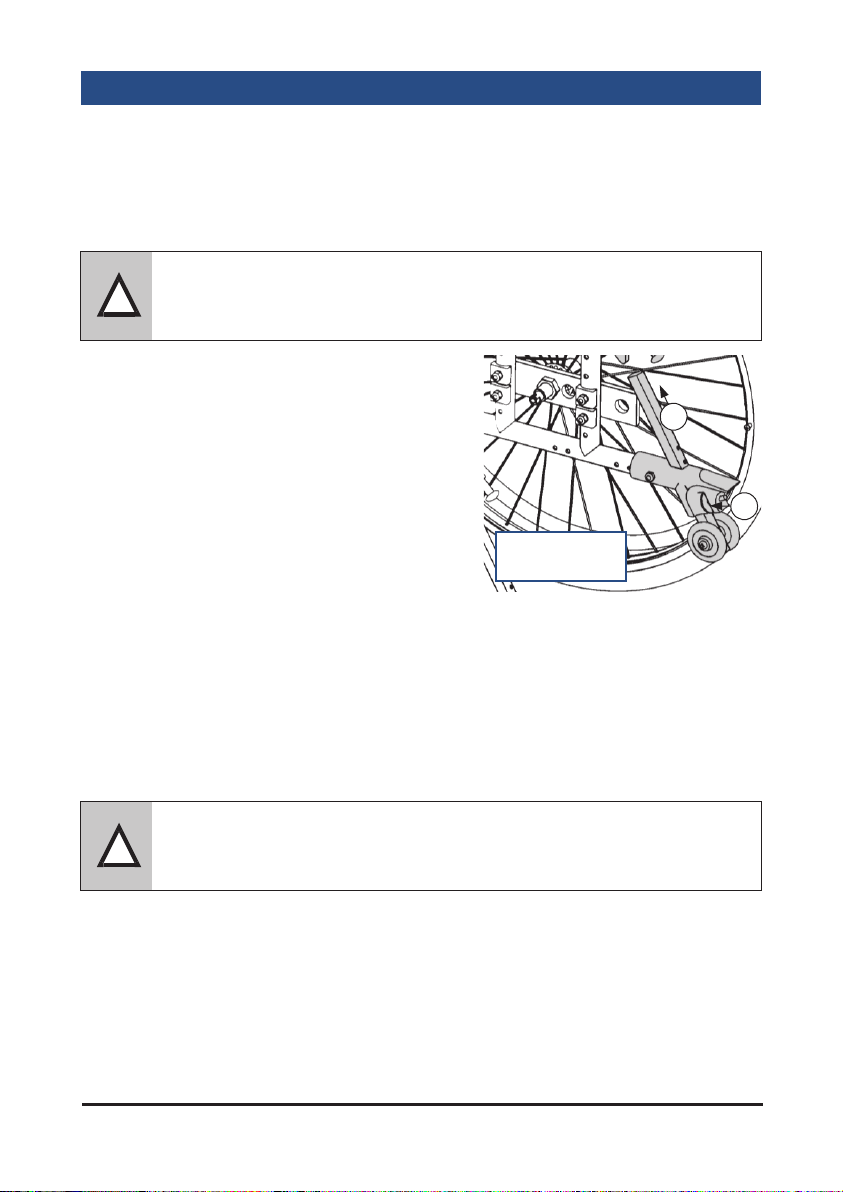
Cable Brakes
On the transit models, the attendant
pushing the wheelchair may use
cable-operated brakes to slow or park
the wheelchair.
To apply the brakes, squeeze the large
lever (A) on the push handles and the
brakes will be applied until the levers
are released. Ensure both levers are
pulled simultaneously to ensure the
wheelchair travels in a straight line.
Cable
brakes
Parking
brakes
Transit only:
To lock, push the lock tab (B)
forward. Pull back to release.
Using a wheelchair belt
Belts are often used to restrain wheelchair occupants during normal use. Any
belts used should be adjusted to suit each user. When fastened, they should
be tight without causing discomfort or undue pressure. Belts may not be
suitable for all users. Seek professional medical advice before using a
wheelchair belt.
Lap belts
All wheelchairs in the SD2 range come with a lap belt. They are secured
around the user’s pelvis to help keep their hips and pelvis towards the back
of the seat. These belts must not be used as a substitute for a seatbelt in a
motor vehicle. The length of the belt can be adjusted using the tri-glides, and
it has a large clip to fasten and unfasten the lap belt.
There is a risk of suocation from users ‘submarining’ (where they slide down
the chair until the lap belt is around the neck area). To reduce the risk of this,
ensure appropriate belts are fitted, occupants are under supervision and the
belts are used in line with the manufacturer’s instructions for use.